Caring for glasses in Florida: salt air, sand, sunscreen and heat
Florida is hard on glasses. Heat, sand, salt, sunscreen and humidity all take a toll, and a few simple habits go a long way. Here they are.
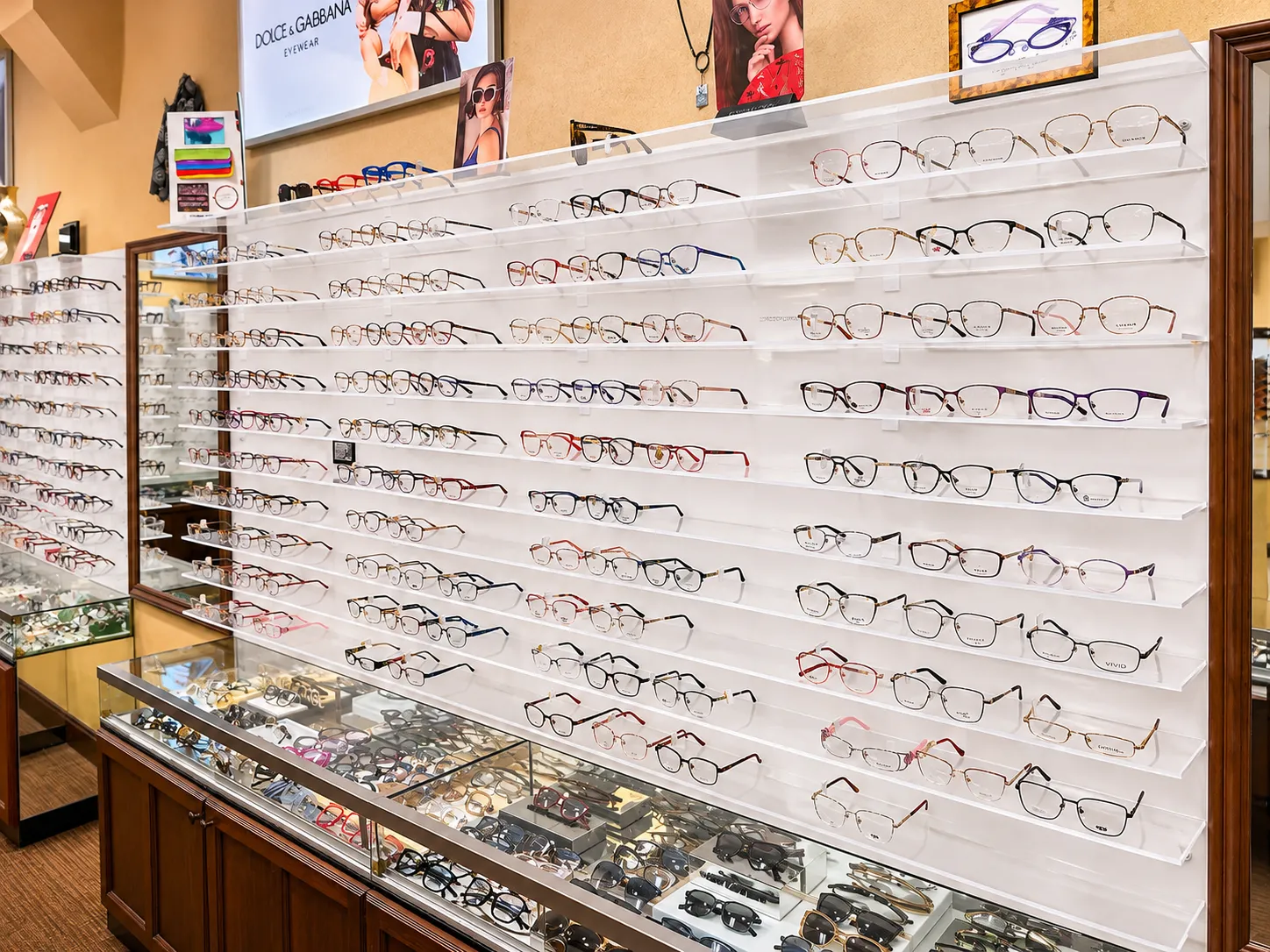
Glasses on the Treasure Coast live a harder life than glasses in most places. They ride on the dashboard, go to the beach, get misted with sunscreen and come back from the boat with a crust of salt. None of that is unusual here, and none of it has to ruin a good pair. A few habits make most of the difference.
Cleaning: what to use
The goal when cleaning lenses is to lift dirt off, not grind it in. Rubbing grit across the surface is how lenses get scratched, which is why the order of operations matters.
Lens maker HOYA’s care advice (opens in a new tab) is to clean the lenses and frame regularly with lukewarm water and a drop of mild liquid soap. That is what we suggest too:
- Rinse the glasses under lukewarm running water first to float away dust and sand.
- Put a small drop of mild dish soap on your fingertips and gently rub both sides of each lens, the nose pads and the frame.
- Rinse again.
- Shake off the water and dry with a clean microfiber cloth.
A spray lens cleaner made for eyeglasses works well when you are away from a sink. ZEISS, another lens maker, suggests spraying the cloth rather than the lens (opens in a new tab), so liquid does not sit in the screw holes of the frame.
Wash your microfiber cloth now and then. A cloth that has collected a summer’s worth of sand and sunscreen is no longer helping.
Cleaning: what to avoid
- Your shirt. It is always right there, and it is the most common culprit. ZEISS points out that clothing and tissues often carry dust and dirt that leave micro-scratches when rubbed on lenses.
- Paper towels, napkins and tissues. HOYA says not to wipe lenses with tissues, paper towels or paper napkins.
- Household cleaners, hairspray and perfume. HOYA advises keeping glasses away from household detergents and beauty products such as hairspray and perfume, which can damage lenses and coatings. Window cleaner is for windows.
- Dry wiping. Wiping a dry, dusty lens is how fine scratches build up. Rinse first whenever you can.
Heat: the car is the enemy
If there is one habit to break, it is leaving glasses in a parked car. HOYA says not to leave them in a hot car, and ZEISS warns specifically against the car dashboard, noting that high temperatures can damage even the toughest lenses or frames and that plastic lenses in particular should not be exposed to heat.
In Stuart, that is most of the year. A pair left on the dash or in a cupholder in July is exactly the situation both lens makers are warning about. Take them with you, or at least put them in a case in the glove box out of direct sun. A hard case is cheap insurance.
Beach days, boats and the pool
Sand is the biggest risk at the beach, because sand is exactly the kind of grit that scratches lenses. If your glasses get sandy, resist the urge to wipe them on a towel. Rinse them with fresh water first, then clean them as above.
After a day on the water or at the beach, give your glasses and sunglasses a fresh-water rinse when you get home rather than letting salt spray dry on them and tossing them in a bag. It takes ten seconds. If you spend a lot of time on the water, it is worth having a dedicated pair of prescription sunglasses so your everyday glasses stay home. We cover the options, including polarized lenses, on our sunglasses page.
Sunscreen and bug spray
These are part of daily life here, and they end up on glasses because they end up on hands and faces. Two easy habits help:
- Put on sunscreen and spray repellent with your glasses off, and let it dry before you put them back on.
- If lotion or spray does get on the lenses, wash it off with soap and water as above. Wiping a greasy smear with a cloth tends to spread it around and drag grit with it.
Screws, hinges and nose pads
Every pair of glasses has small screws, and they work loose over time with daily wear. Signs to watch for: one arm feels looser than the other, the frame slips down your nose more than it used to, or a lens seems to shift in the frame.
Resist the urge to fix it with a kitchen knife or a borrowed screwdriver, which can slip and scratch the lens. Bring the glasses in instead. Adjustments at Schmidt’s are free for as long as you own the frame, whether that means tightening a screw, straightening an arm that got sat on, or replacing a tired nose pad. It also matters for your vision: a frame that has drifted out of position moves the lens away from where it was measured for your eyes.
Storage
When the glasses are off, they should be in a case or lying with the lenses facing up. ZEISS suggests storing them in a hard case whenever you are not wearing them. Not face down on the counter, not loose in a beach bag, not in a shirt pocket while you lean over.
When cleaning will not fix it
Scratches and a coating that has started to peel or craze are permanent. No cleaner or polish will bring them back, and some home remedies make things worse. If your lenses have reached that point, the honest answer is new lenses, not a new routine.
That is not always an expensive answer. Depending on the frame and prescription, putting new lenses in a frame you love may be the right choice, or a complete pair from our value selection may cost less than you would expect. Either way, an optician can look at the pair and tell you which makes sense. You can read more about lens materials and coatings on our lenses page.
The short version
- Rinse first, then mild dish soap and water, then a clean microfiber cloth.
- Never your shirt, never paper towels.
- Never the dashboard.
- Fresh-water rinse after the beach or boat.
- Sunscreen on before glasses go back on.
- Loose screws and slipping frames: bring them in for a free adjustment.
Questions? Call (772) 283-2622 and ask for an optician.